

With Green HExagon, the StartUp Center of the University of Applied Sciences Wiener Neustadt supports aspiring entrepreneurs from their initial idea to pitching their concept to an international jury. Together with five European partner universities, the program offers workshops, coaching, and networking opportunities across Europe.
Wiener Neustadt, June 26, 2026 – A good idea is just the beginning: Before it becomes a successful start-up, it needs a viable business model, a strong team, and a compelling presentation. In the four-month pre-incubation program Green HExagon, aspiring entrepreneurs develop precisely these building blocks, from the initial idea evaluation to the finished pitch.
“Green HExagon is aimed at everyone who wants to think entrepreneurially – students, graduates, and researchers, regardless of their field of study or prior experience,” explains Thomas Wally, head of the StartUp Center at the University of Applied Sciences Wiener Neustadt. “Teams as well as individuals can participate. And those who don’t yet have their own idea but would like to join an existing project are just as welcome.”
International Intensive Week
The centerpiece of this year’s program was a week-long start-up bootcamp for international participants, held this year at the University of Applied Sciences Wiener Neustadt. In the future, the week will take place annually at a different partner university within the network. This year, the University of Applied Sciences Wiener Neustadt hosted the event, bringing together students and faculty from across the university network.
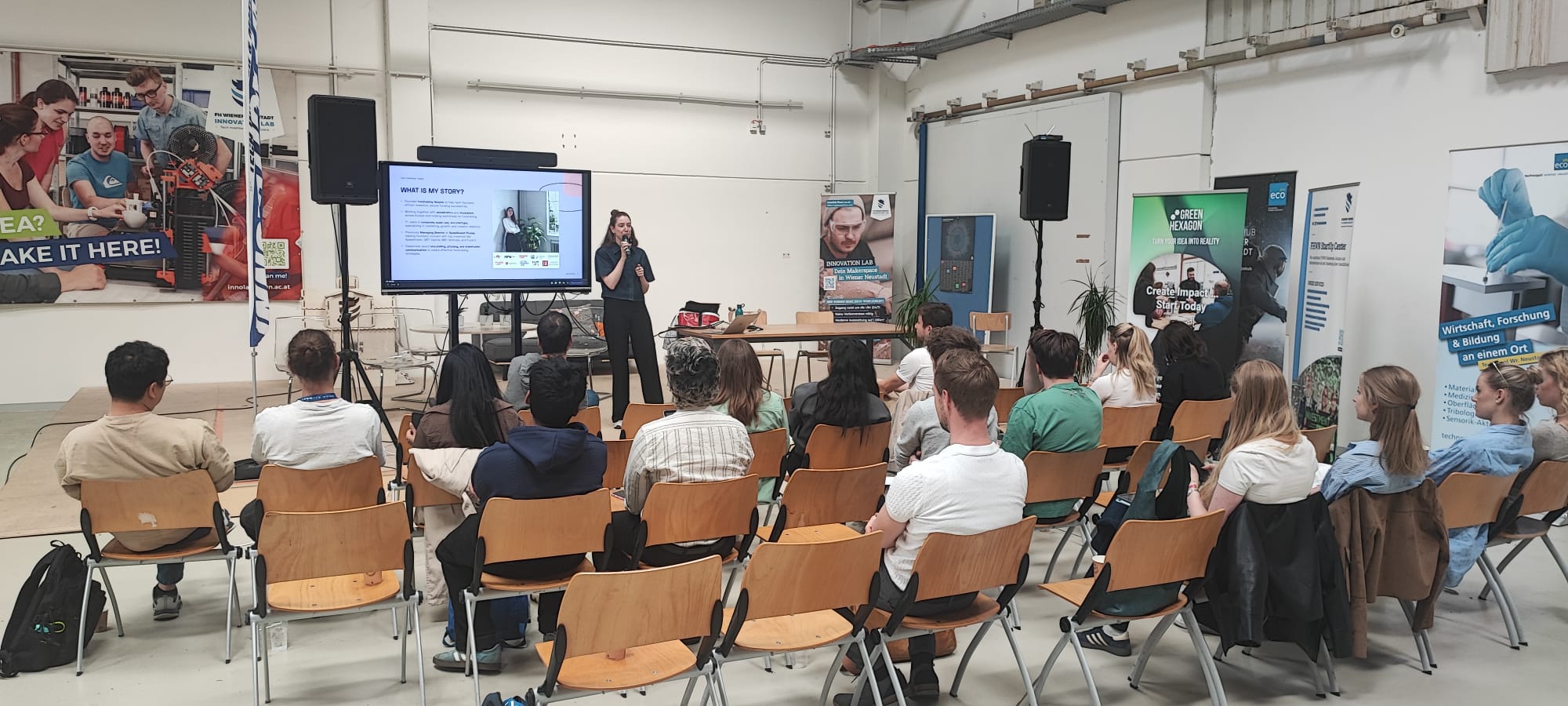
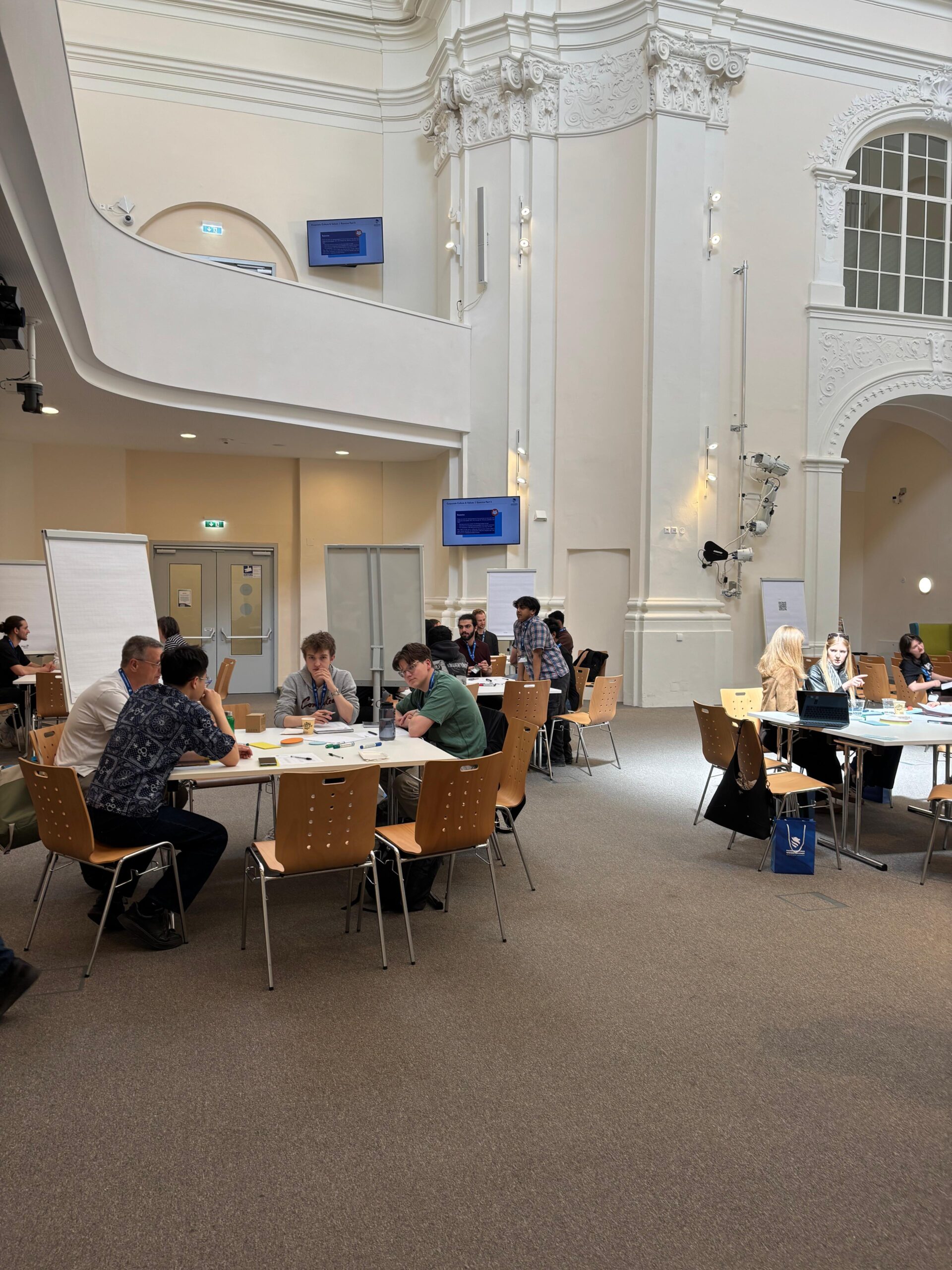
In interactive workshops, the aspiring founders worked on topics such as innovation, customer understanding, sales and marketing, team building, corporate culture, and leadership. The program was complemented by excursions to the startup festival “ViennaUP,” an evening with startup mentors, as well as group work, reflection sessions, and intensive exchange across national and disciplinary boundaries.
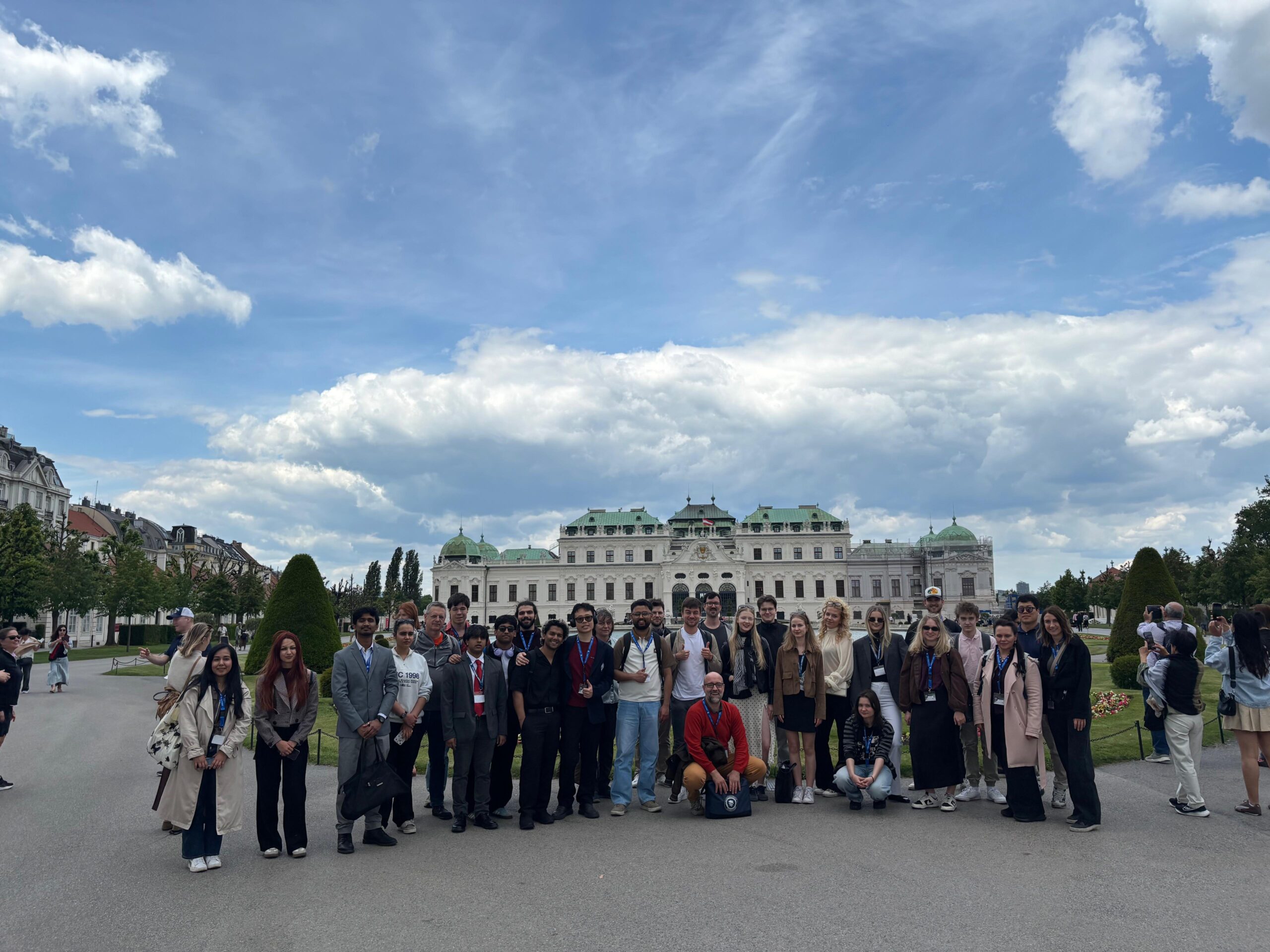
“It is precisely the international and interdisciplinary exchange that makes the program so valuable,” says Wally. “Teams and networks are formed here that often last far beyond the program’s duration.”
Six universities from five countries
Green HExagon is supported by a consortium of six European universities: the University of Latvia and Riga Stradiņš University (both Latvia), the University of Tartu (Estonia), Flensburg University of Applied Sciences (Germany), the Czech University of Life Sciences Prague (Czech Republic), and the University of Applied Sciences Wiener Neustadt. The program is aimed at business ideas related to the UN Sustainable Development Goals (SDGs) and focuses on six development areas: Development, Skills, Collaboration, Business, Innovation, and Environment & Climate.
Demo Day awards best startup ideas
The program year culminated in Demo Day, where 16 projects presented their ideas to an audience and jury. Six of these were awarded the Green-HExagon Prize 2026 – including the two FHWN projects L8P and Sensoria Games, as well as winning ideas from partner universities in Flensburg, Riga, and Prague. Up to €9,000 in funding is available for the further development of the winning ideas.
“The past few years have shown the potential of European collaborations when students, teachers and innovation drivers work together on solutions for the challenges of tomorrow. Green HExagon creates the right framework for this,” Wally concludes.
In the future, the program aims to gain further visibility and expand the network to include more European universities. Further information about the program and how to participate can be found at www.greenhexagon.eu, at the StartUp Center of the University of Applied Sciences Wiener Neustadt, and at the local contact points of the Green Hexagon partner universities.
The University of Applied Sciences Wiener Neustadt
(FH Wiener Neustadt) is one of the top educational institutions in Austria and a leading and exemplary institution within the university of applied sciences sector. Through practical training, international networks, and innovative research, it educates highly sought-after professionals. Currently, FH Wiener Neustadt offers a total of 47 degree programs across five faculties—Business, Engineering, Health, Sports, and Security—at three campuses and seven different study locations in Wiener Neustadt, Wieselburg, Tulln, Vienna, and Salzburg. This opens up a wide range of career opportunities for its more than 4,500 students. Over 500 employees and approximately 1,000 lecturers ensure the high practical relevance of the education and a modern and efficient teaching environment. FH Wiener Neustadt has its own award-winning research company—FOTEC Research and Technology Transfer GmbH—and collaborates with 90 partner universities worldwide. In recent years, FHI (the real estate company of the University of Applied Sciences Wiener Neustadt) has realized numerous flagship projects at the highest international level, such as the construction of the House of Digitalization at the Tulln Biotech Campus, the Wiener Neustadt City Campus, and all campus expansions. The Wieselburg Campus is considered a hotspot for sustainability and sustainable innovation, as well as a center for marketing and consumer science. The Francisco Josephinum Campus in Wieselburg is a place that optimally combines digitalization and agriculture, offering the unique Bachelor’s degree program in Agricultural Technology & Digital Farming, the only one of its kind in Austria. The Tulln Biotech Campus is increasingly establishing itself as a central hub for research, innovation, and digitalization.